How We Automate Content Without Losing Your Voice
AI can write.
The harder problem is getting AI to write like you. Not generic marketing speak. Not bland corporate copy. Your voice. Your quirks. The way you'd say it if you had unlimited time.
We've spent the last year building systems that solve this. Here's how it works.
Brand Voice Isn't a Style Guide
Most tools ask you to upload a style guide or fill out a brand questionnaire. Maybe you pick some adjectives. Professional. Friendly. Innovative.
That's not voice. That's a dating profile.
Voice is in the word choices you make when you're frustrated. It's the jokes you'd never tell. It's the phrases you overuse (and probably shouldn't). It's how long you let a point breathe before moving on.
We start by asking questions. Lots of them. What topics make you roll your eyes? How do you talk about competitors? What's the one thing you wish readers understood? How do you explain your product to someone at a bar versus a boardroom?
Then we analyze your existing content. Sentence structure patterns. Word frequency. Transition styles. What you capitalize when you're emphatic. How you handle disagreement with a reader.
The questions tell us who you want to be. The content analysis shows us who you are. The voice model we build sits at the intersection of both.
The Quality Stack
Voice consistency is one layer. Here's what else runs on every piece of content:
Terms database. Industry jargon spelled your way. Competitor names you don't mention. Product names with specific capitalization. Phrases you've decided to avoid. Every piece gets checked against your custom terms.
AI detection scoring. We check our own AI content for AI detection. Not because we're hiding anything. High detection scores usually mean the content is generic. If it reads like every other AI output, it probably is.
Factual validation. Claims get checked against source material. Statistics get verified. Links get tested.
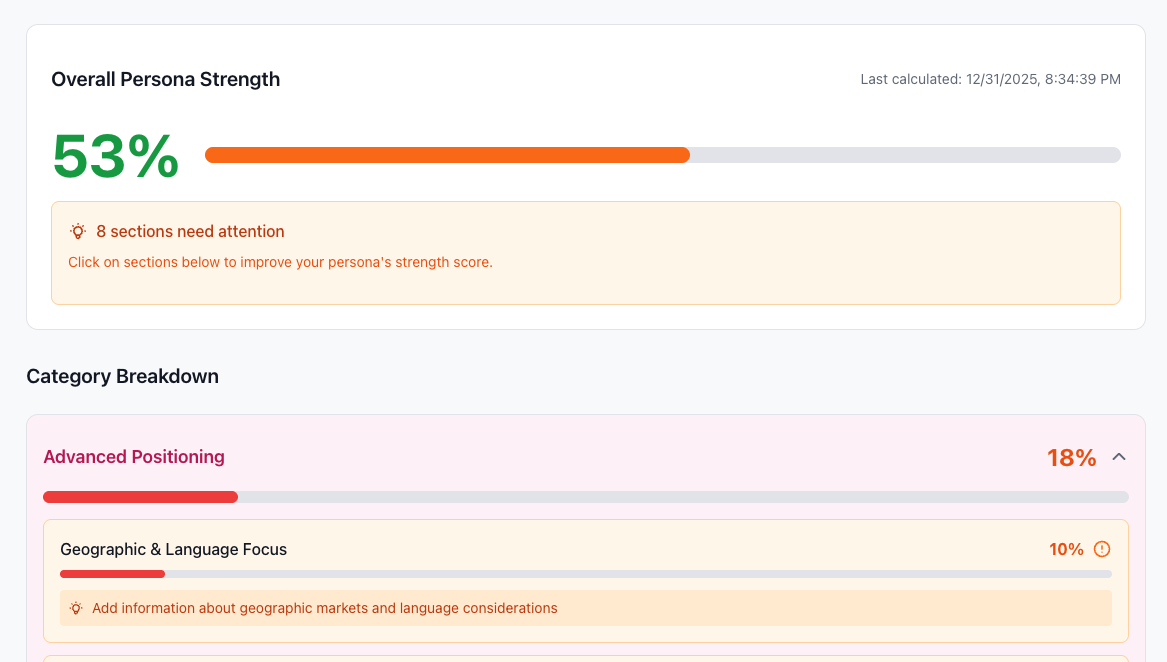
Voice scoring. The output gets compared against your voice model. If it drifts too far from how you write, it gets flagged.
All of this runs before anyone reviews it. When human review happens, it's reviewing content that's already passed multiple quality gates.
You Always Need a Human
We always recommend human eyes on content before it goes live. Always.
You need human review. Most people find they don't have time for it. Between strategy, meetings, and everything else demanding attention, editing AI drafts falls to the bottom of the list.
That's where Content Cucumber comes in. Editors who understand your voice because they've been trained on the same voice model. They're not starting from scratch. They're refining content that's already 80% there.
You can do the editing yourself. We'd love that. But when you can't, we've got people who can.
What This Looks Like Day to Day
You upload your content library. We analyze it and build your voice model.
You set up your content calendar. You define what gets full automation, what gets human review, what gets flagged for your internal team.
Content flows through. Quality checks catch issues before they become problems. Voice stays consistent across hundreds of pieces.
When you check in on Monday, you're reviewing a dashboard of content that's already been through more quality gates than most agencies apply to their "premium" work.
The Offer
If you want content automation that sounds like you, not like everyone else's AI, we should talk.